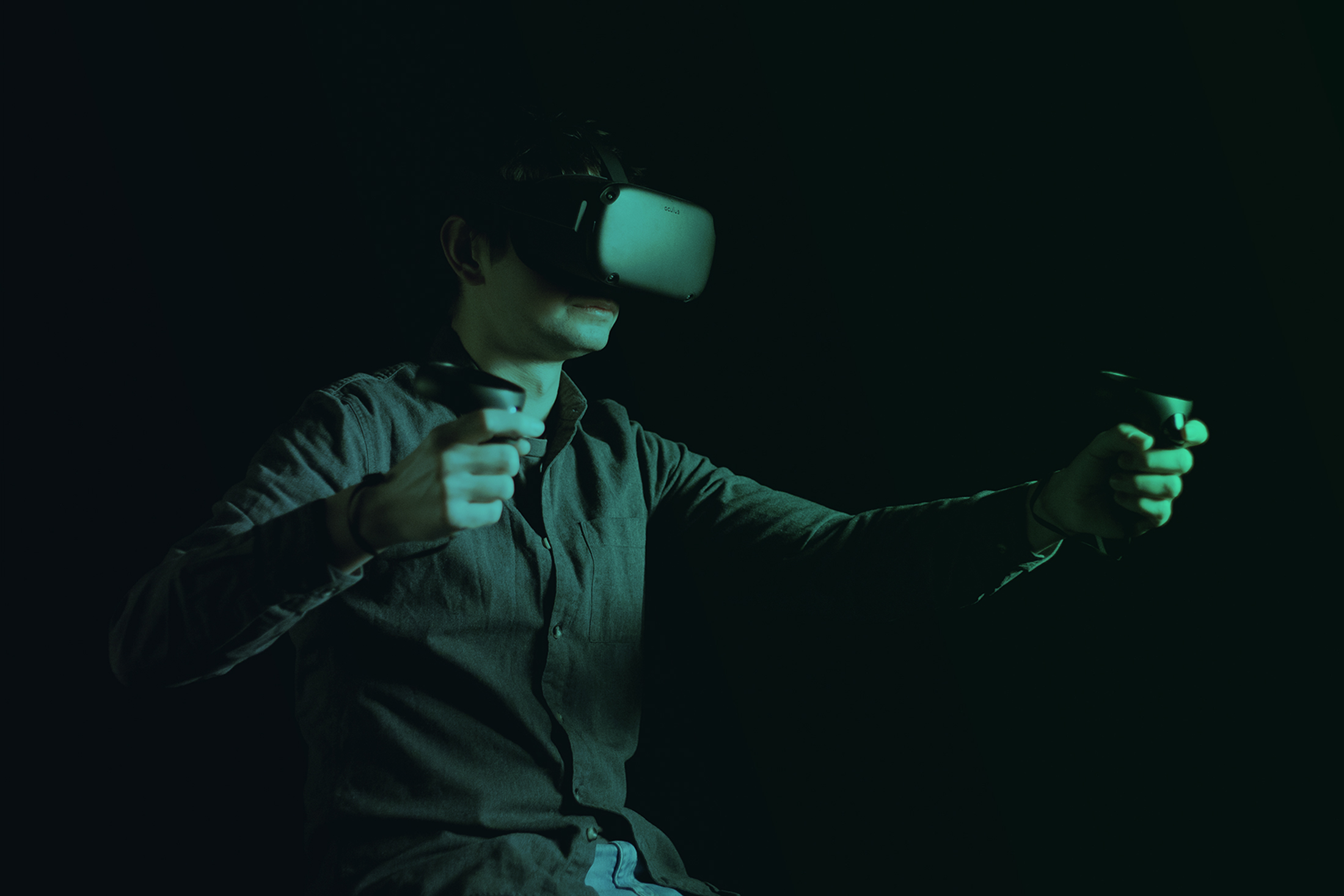
Beyond the Headset: What It Takes for VR to Become Part of Everyday Physiotherapy
XR4REHAB Community Conversations by Ari Laiho Passols · November 2026
If you’re a physiotherapist, you’ve probably reached for an elastic band, a set of weights, or an ultrasound device today without giving it a second thought.
Now consider the last time you used a virtual reality headset with a patient.
For many physiotherapists, the answer is simple: never.
That is striking, because the technology itself has matured rapidly. Standalone VR headsets have become increasingly affordable, evidence supporting immersive rehabilitation continues to grow, and universities are already introducing future healthcare professionals to virtual reality as part of their training.
Yet VR remains far from routine clinical practice.
This raises an important question: if the technology is ready, why has adoption remained limited?
Innovation experts often describe this challenge as “crossing the chasm,” a concept popularized by Geoffrey Moore. Early adopters embrace new technologies because they see their potential. The broader clinical community adopts them only when they fit seamlessly into existing workflows and clearly improve outcomes.
In rehabilitation, virtual reality has already gained the attention of researchers, educators, and innovation-minded clinics. The next challenge is reaching the busy clinician managing a fully booked schedule and making dozens of practical decisions every day.
To better understand this gap, we conducted more than 30 in-depth interviews with physiotherapists, stroke survivors, elite athletes, and clinic managers. We also collected feedback from 48 first-time users of immersive rehabilitation technology.
The findings were remarkably consistent. Hardware is no longer the primary barrier. Human factors such as time, habits, confidence, and workflow integration have become the critical determinants of adoption.
This article explores what is accelerating the use of VR in rehabilitation, what continues to hold it back, and what will be required for immersive technologies to become as commonplace in physiotherapy as the tools clinicians already rely on every day.
What's driving adoption and what's getting in the way
The barriers are falling
VR hardware is more accessible than ever.
Modern standalone headsets have significantly reduced the financial and technical barriers that once limited adoption, both in clinics and at home.
The evidence base continues to grow.
Research increasingly highlights the potential of immersive technologies to improve outcomes in areas such as upper-limb rehabilitation after stroke, chronic pain management, and patient engagement.
Patients are highly receptive.
Traditional rehabilitation exercises can be repetitive and difficult to sustain over time. Gamified rehabilitation and immersive environments provide meaningful motivation, encouraging greater adherence and longer-term engagement.
The challenges remain human
VR is still unfamiliar.
Although smartphones and tablets are now second nature, many physiotherapists and patients have never used a VR headset. Introducing an unfamiliar technology requires confidence, training, and support.
Clinical time is scarce.
When appointments last only 30 minutes, every minute matters. Technologies that are difficult to set up, explain, or troubleshoot are unlikely to become part of routine care, regardless of their potential benefits.
The reality of the modern physiotherapy clinic
A recurring theme throughout our interviews was time pressure.
One physiotherapist with more than 15 years of experience described managing 60 treatment sessions each week, often with no meaningful break between appointments.
Another reported a clinic where two physiotherapists shared twelve treatment tables and treated approximately 130 patients during an eight-hour day. Under these conditions, efficiency inevitably influences clinical decision-making.
Many clinicians described a tension between passive and active rehabilitation approaches. Modalities such as ultrasound, electrical stimulation, heat, and cold therapies can be delivered efficiently. Yet physiotherapists consistently emphasized that meaningful, lasting recovery depends on active participation and movement practice.
This is where immersive technologies may offer particular value. Rather than replacing the physiotherapist, they can support active rehabilitation while reducing the administrative and supervisory burden associated with repetitive exercise sessions. The goal is not to replace clinical expertise but to create more time for the activities only a physiotherapist can provide: assessment, coaching, hands-on treatment, and individualized decision-making.
However, this potential can only be realized if the technology itself is easy to learn and easy to use. Adoption begins long before the first treatment session; it starts with the user’s very first experience.
When the brain and body stop communicating
“Your brain does it, but your body doesn’t respond.”
He explained how, in the months following his stroke, movement became something he could imagine but could not perform. The disconnect between intention and action was frustrating, confusing, and emotionally exhausting.
Like many survivors, progress depended on persistence, repetition, and support from family. Yet he also highlighted a challenge common in rehabilitation:
“The clinics don’t give you tools to keep recovering during the time you’re not there.”
This observation reflects one of the most significant opportunities for digital rehabilitation. Recovery does not occur solely during clinical appointments. Patients spend the vast majority of their rehabilitation journey outside the clinic, where motivation, adherence, and self-management become critical determinants of outcomes.
Digital and immersive tools do not replace physiotherapists. They extend rehabilitation beyond the clinic and help patients remain engaged between visits.
Older adults may be more ready than we think
A common assumption is that older adults will be reluctant to use immersive technologies. Our findings suggest otherwise.
Participants aged over 50 gave some of the most positive feedback. Many described VR-based rehabilitation as motivating, engaging, and surprisingly intuitive.
Concerns around dizziness were also less common than expected. When immersion levels can be adjusted and users retain visual awareness of their surroundings, most participants reported feeling comfortable. Importantly, the few reports of discomfort were linked to specific design features, providing valuable guidance for future improvements.
These findings reinforce a key lesson: successful implementation depends less on age and more on thoughtful design.
Four lessons for the future of VR Rehabilitation
1. Make onboarding effortless
The learning curve should be as close to zero as possible. Intuitive interaction methods, simplified interfaces, and guided tutorials reduce anxiety and improve confidence.
2. Save clinicians time
Technology must do more than add therapeutic value; it must fit into clinical workflows. Automated progress tracking, outcome measurement, and session reporting can help reduce administrative burden.
3. Make progress visible
Patients are more likely to continue when they can see improvement. Real-time feedback, adaptive difficulty, and meaningful milestones help transform repetition into motivation.
4. Design for accessibility from the start
Adjustable immersion levels, adaptable exercises, and support for varying physical and cognitive abilities ensure that more patients can participate safely and effectively.
Crossing the chasm
Virtual reality will not become mainstream through a single breakthrough device.
It will happen incrementally, through thousands of successful clinical experiences. A physiotherapist discovers that VR saves time instead of consuming it. A patient remains motivated to continue exercising at home. A clinic sees better engagement and stronger adherence to treatment plans.
Over time, these small successes build confidence, familiarity, and trust.
And when that happens, reaching for a VR headset may feel no more unusual than reaching for an elastic band.
Share this news on
Get engaged
Join the XR4REHAB Community and keep up-to-date of the latest XR rehabilitation news!
Get engaged
Join the XR4REHAB Community and keep up-to-date of the latest XR rehabilitation news!